
The Case for a Side Quest
We all want the same basic things — a long life, good energy, a sense of purpose.
And then sometimes life has a way of... uh... 😬 moving in another direction — and one can find oneself feeling tired and purposeless.
As a culture, we seem to default to chasing one big goal or one big mission, convinced we can collect the big prize "later." This is probably why Americans leave more paid vacation on the table — literally letting it expire — than almost any other culture. We've been trained to delay gratification to the point of absurdity.
We forgot that in the journey of life, we're allowed to take side quests.
I'm not talking about the all-or-nothing gambit of "follow your bliss and monetize your passion" (nothing wrong with that if it's genuinely your path — but for most people it's a setup for disappointment or just... pressure). I'm talking about something much simpler: carving out regular time for something that makes you feel like you.
A cherished hobby. A local afternoon adventure. Learning something useless and delightful. Changing the doorknob on your bedroom door just because you wanted a different one.
The Biomarker Rabbit Hole
Here's where it gets interesting.
I've been doing some personal research this year, tracking biomarkers — including continuous blood glucose monitoring — in relation to what I'm loosely calling "side quest" activities: experiencing inspiring art, attending live music, taking micro-vacations, wandering through neighborhoods I don't usually inhabit.
The observable changes in my numbers can be just as significant as those from exercise, diet, or supplements.
This is not entirely surprising from a mindbody standpoint — we know that positive emotional states affect cortisol, blood sugar regulation, immune function, and more. But seeing it in real time on your own wrist is something else. It makes the abstract concrete very fast.
We have a lot of interventions available to us. We don't have to use all of them. But if you could get meaningful physiological results from a couple of hours doing something you actually love... why wouldn't you?
What Counts as a Side Quest
The kind of side quest that will work for you is specific to you — which means you actually have to think about it, which I know is annoying. But here are some things that have worked for me, in case you're stuck:
Visiting a special spot at different times of the day or night to see how it changes. Here is a series of pictures I took at the big metal heart currently located at Noriega and Great Highway. I often start my morning walks here!
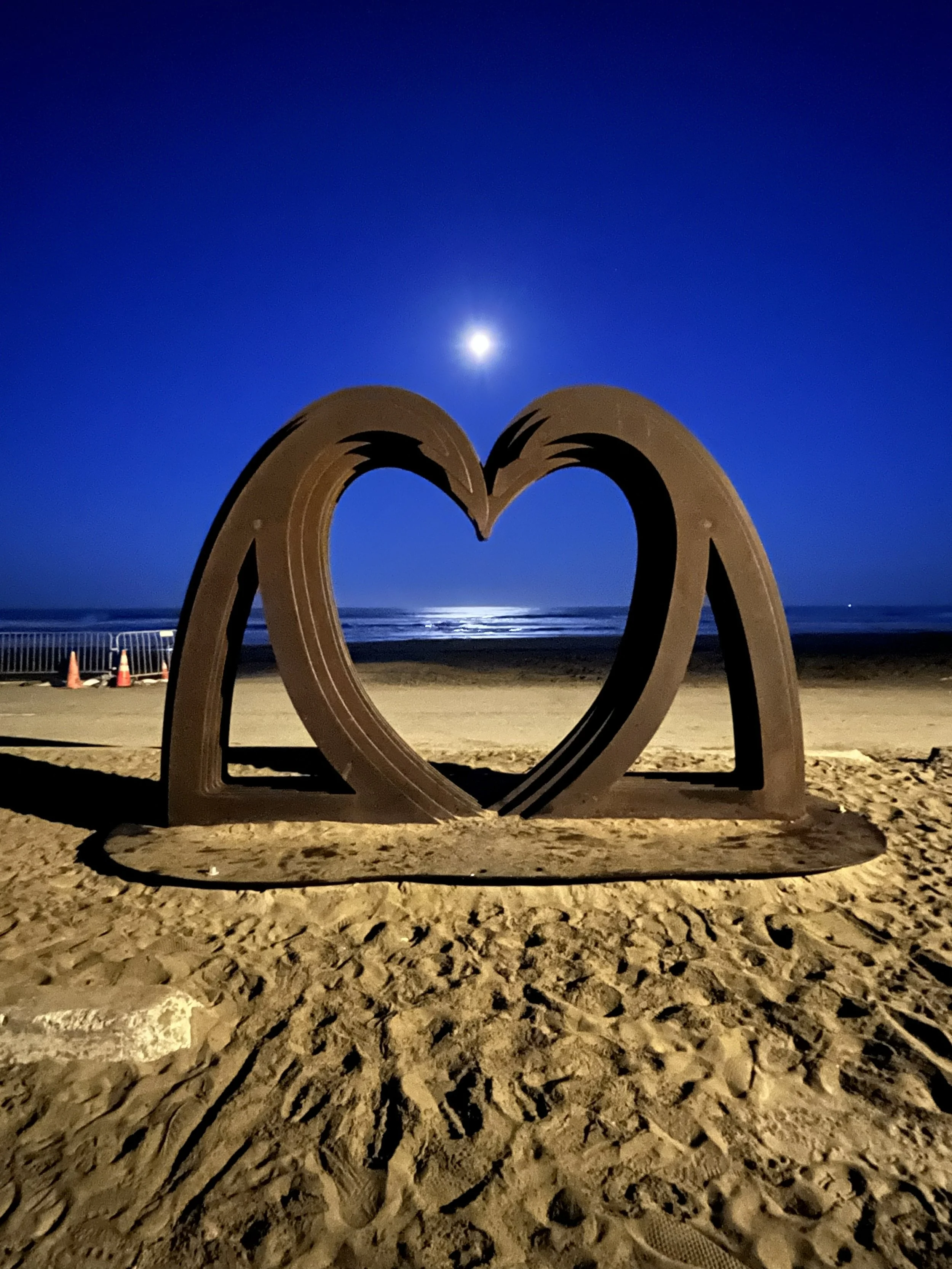
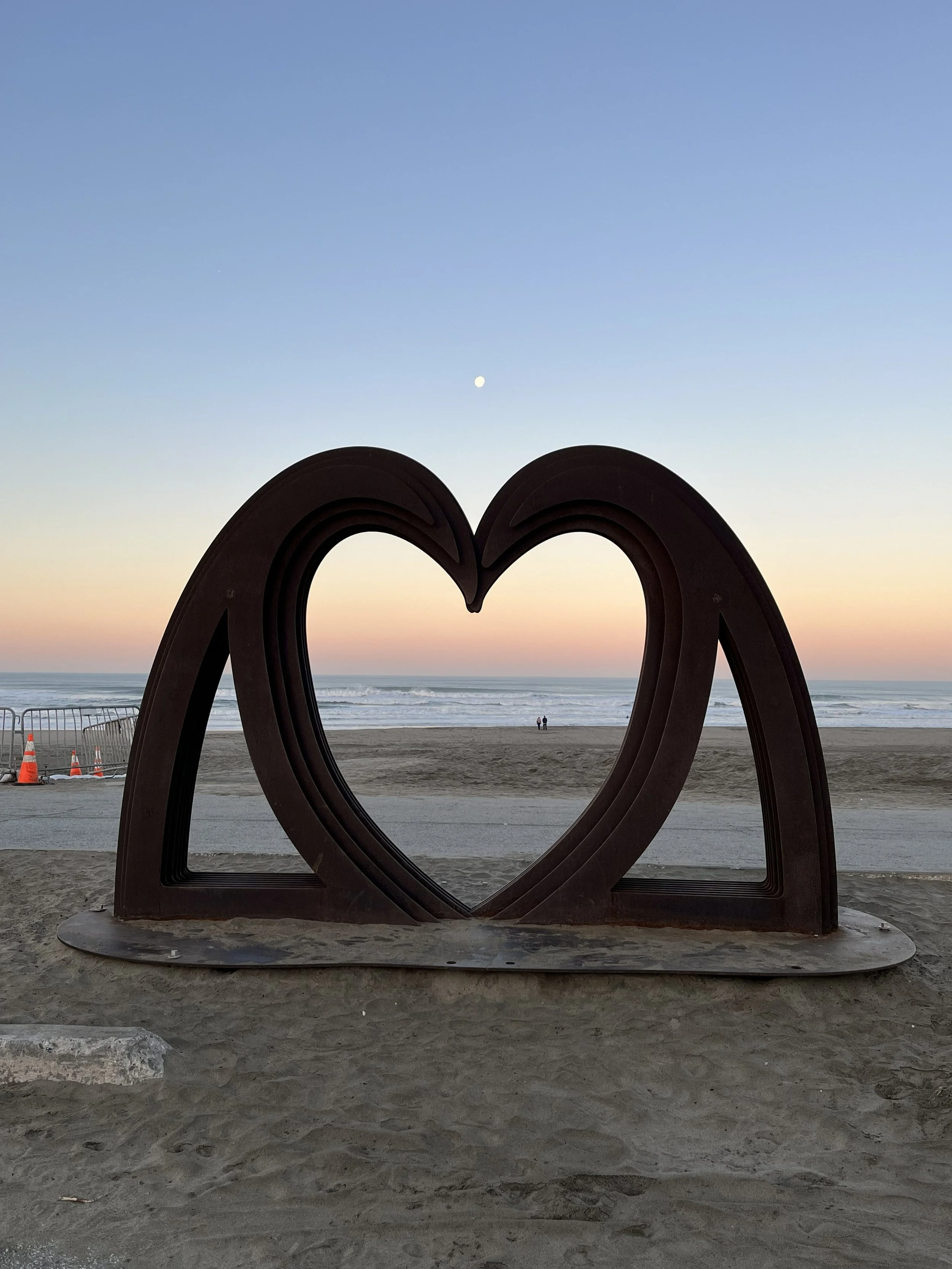
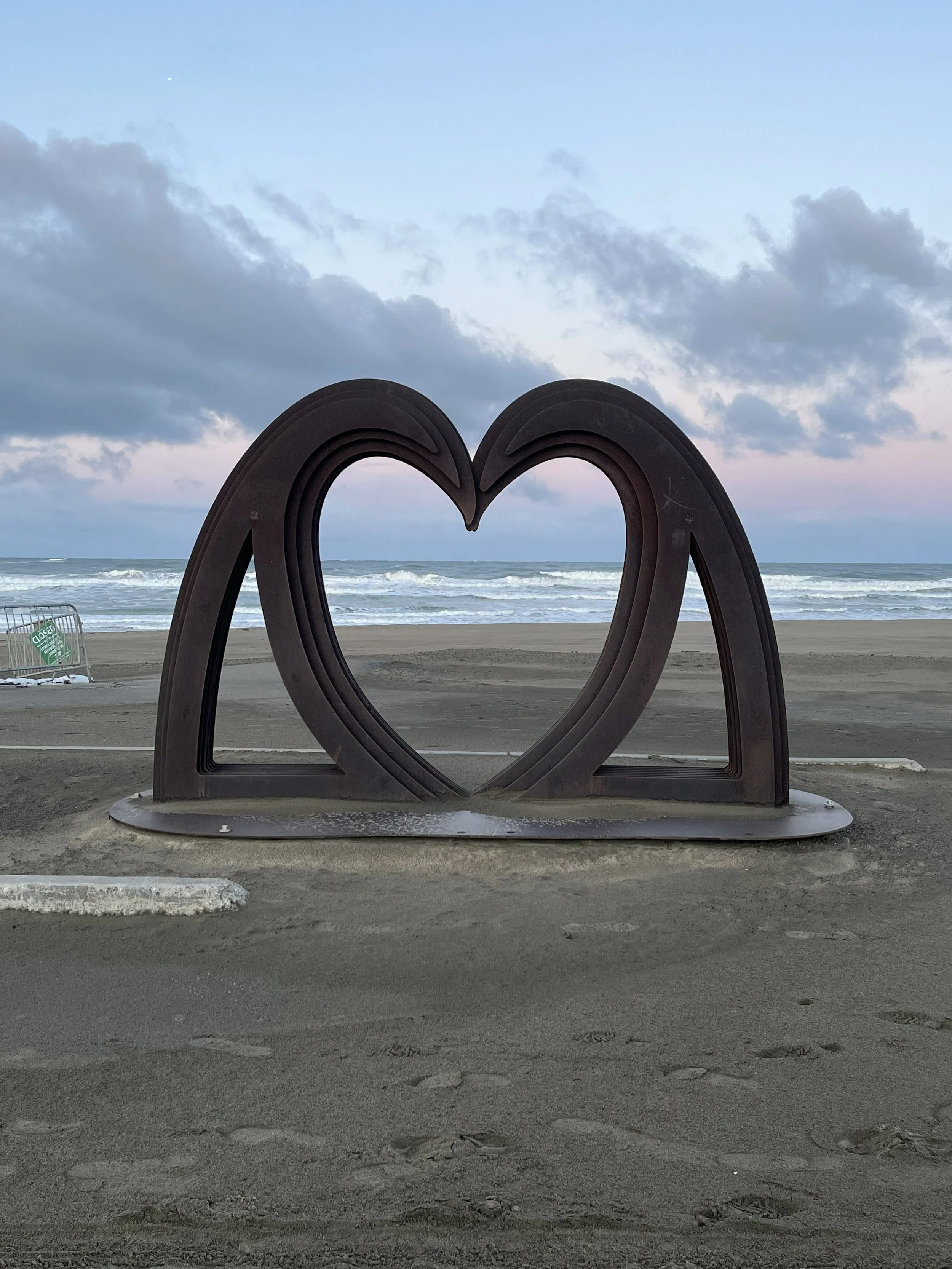
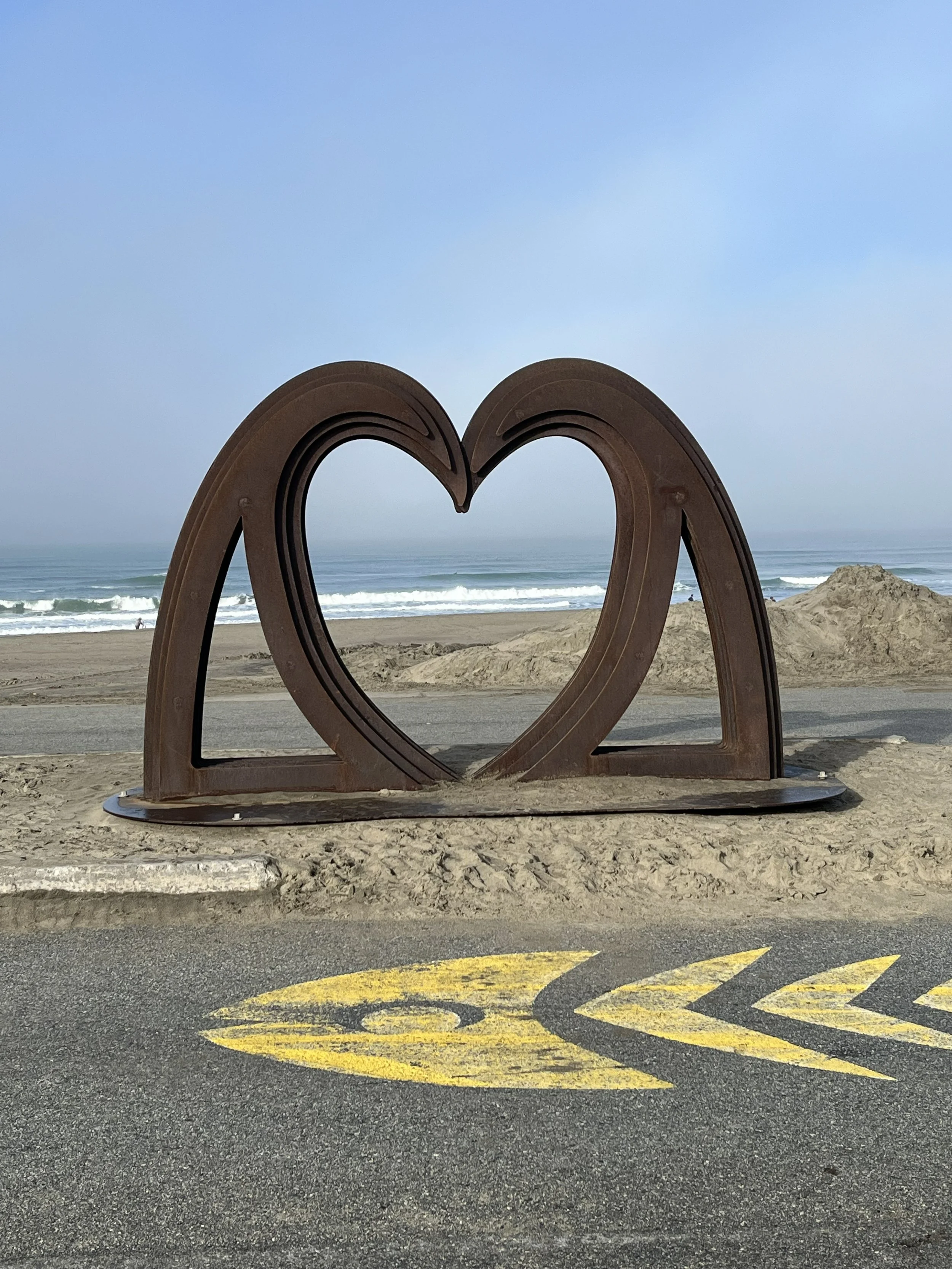
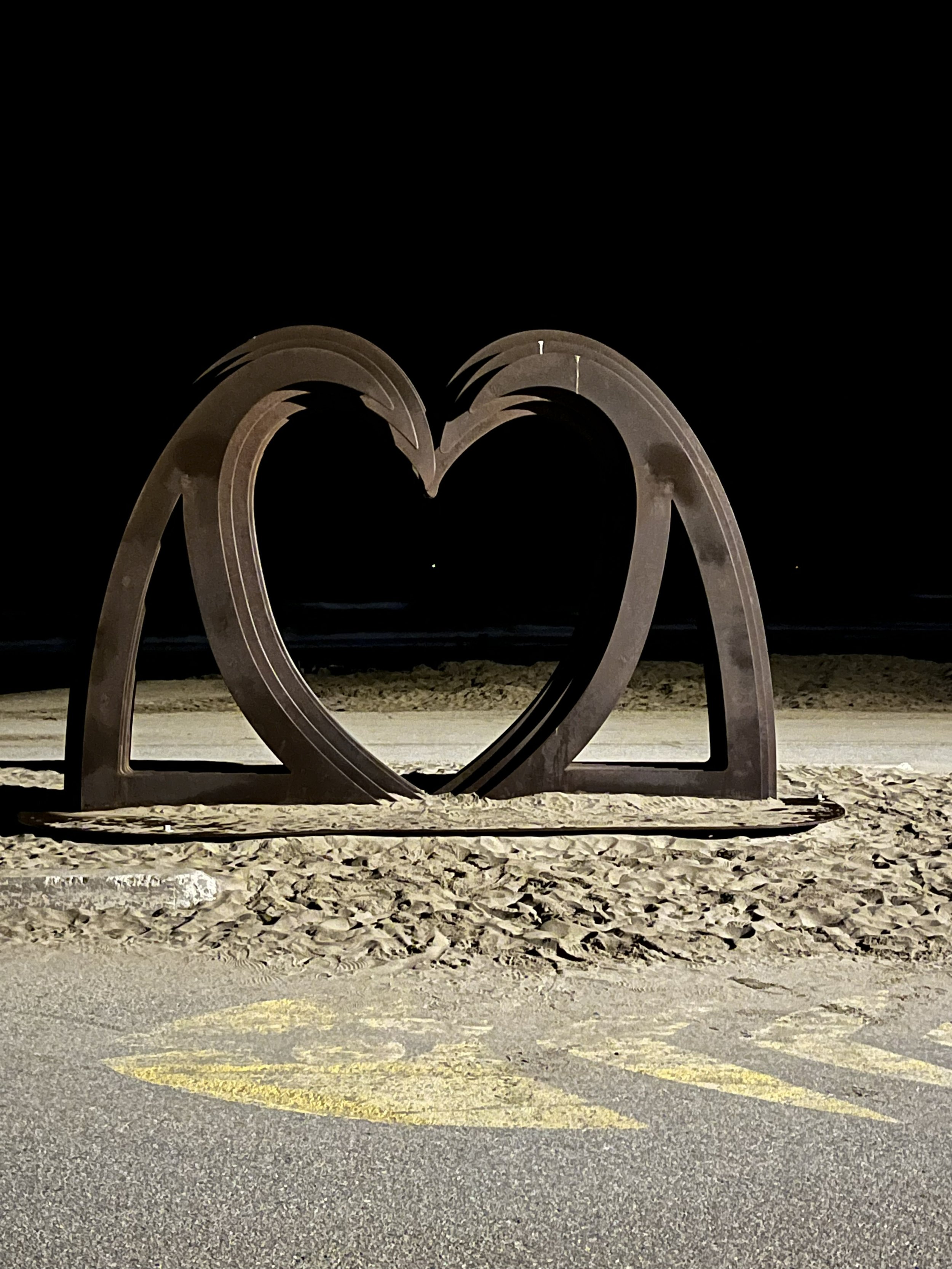
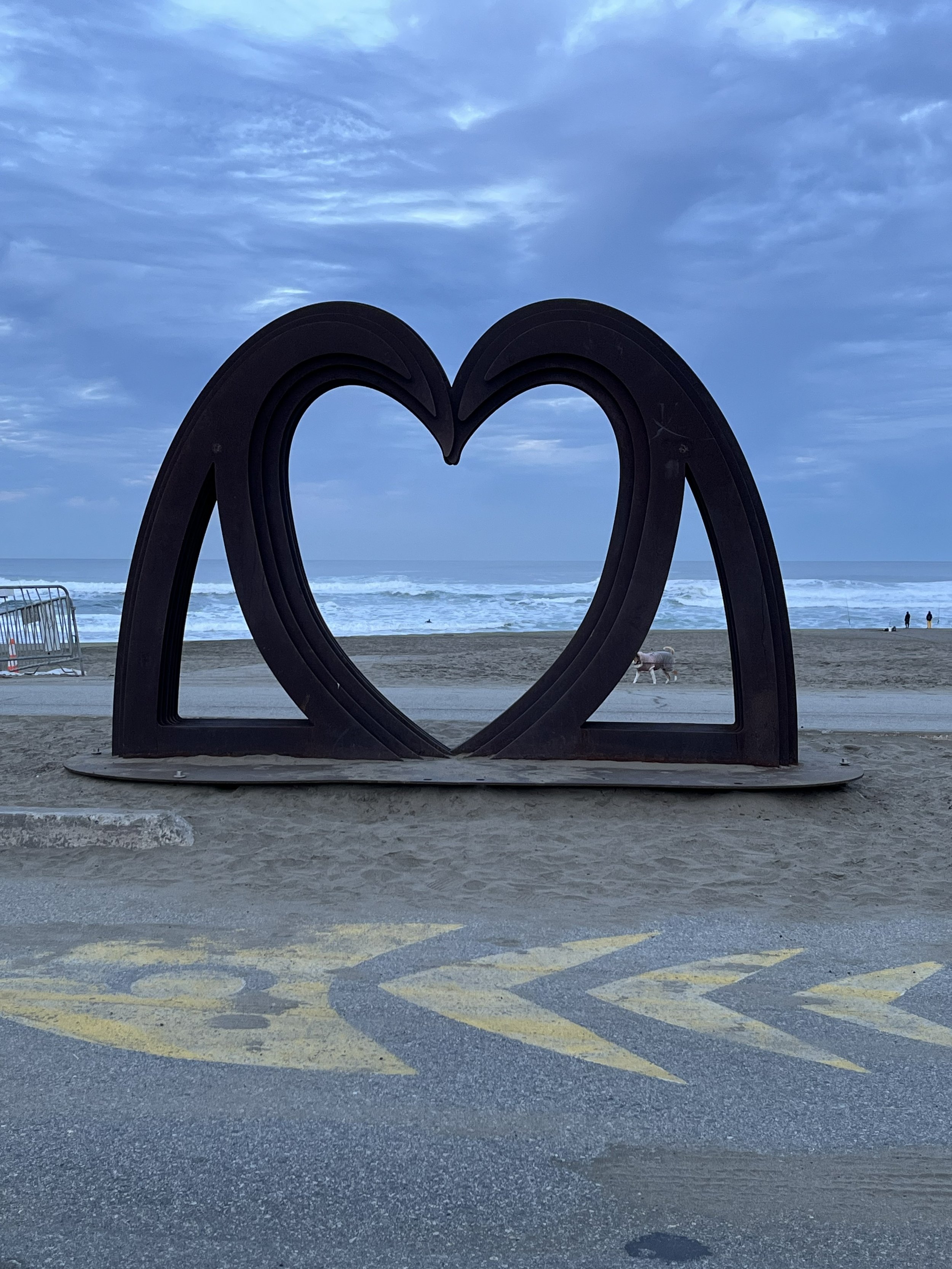
Taking local tours, aka “playing tourist.” One of the most enjoyable local tours I’ve taken recently has been the Blue Painted Lady tour! This tour is given by the owner, George Horsfal, every day at 4pm. No reservation required - you can pay on the spot ($35) or reserve your spot ahead of time. This house is a treasure - and so is George!
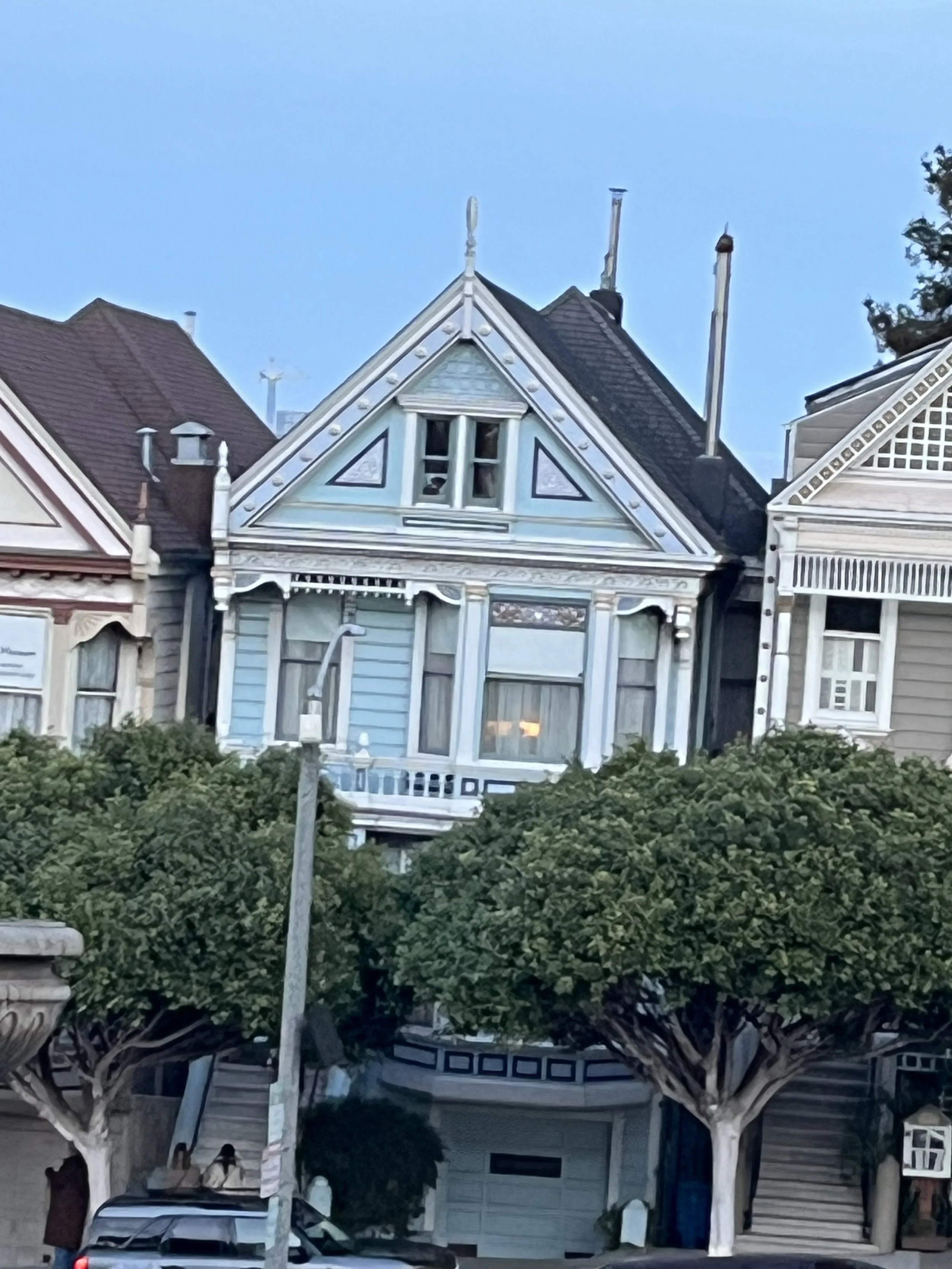
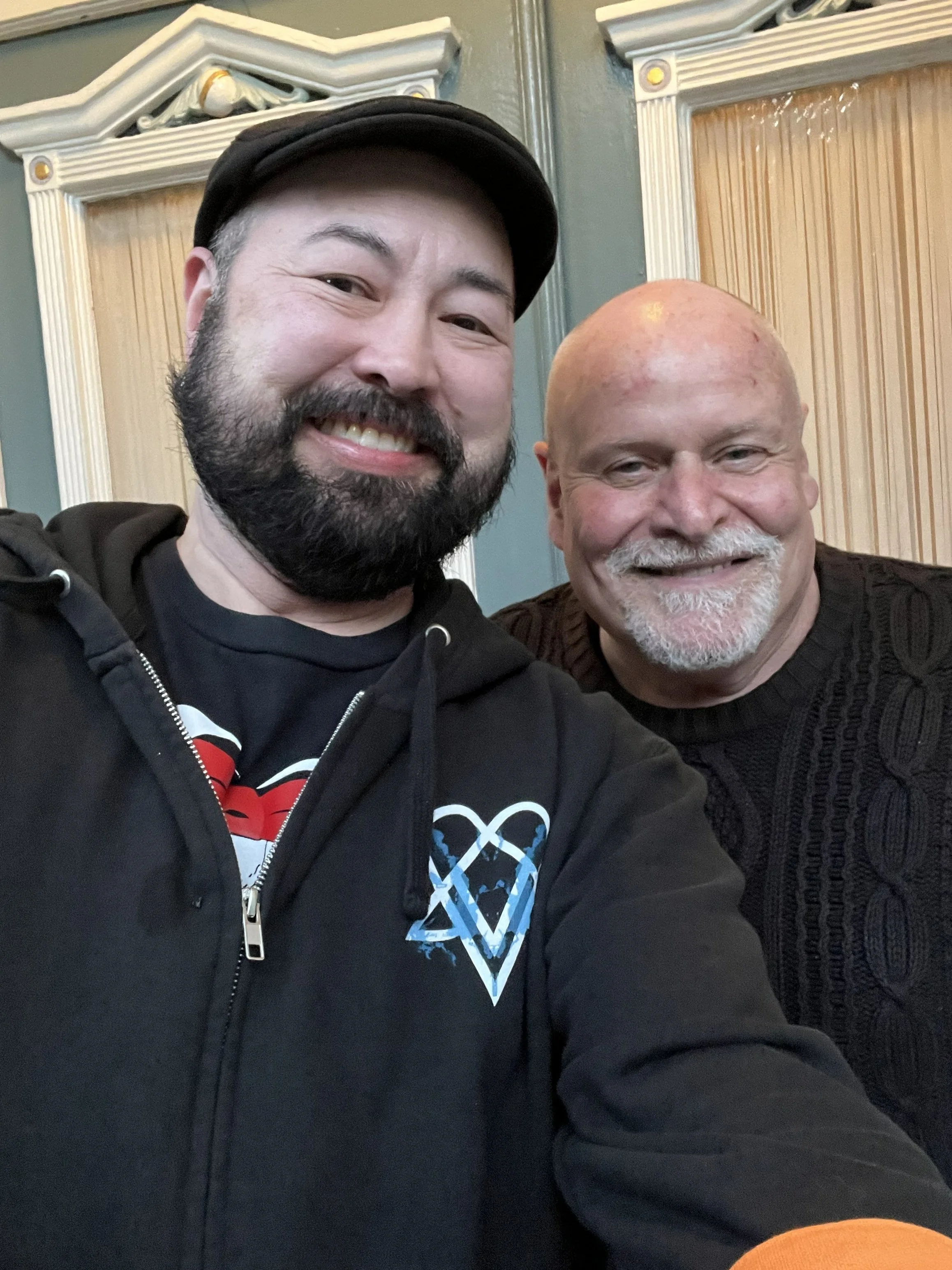
I love traveling and learning, which is probably why I gravitate toward local tours — playing tourist in my own city, meeting people I'd never otherwise encounter, feeling more connected to San Francisco as a place rather than just a backdrop. (Specific to SF, we a wonderful resource in SF City Guides, a volunteer-run organization that offers 70 different free walking tours in SF!)
The more time we spend inside our digital worlds, the more disconnected we become from our actual human ones. Local adventures are a small but simple ways to connect to the people and places that you live near.
Side-quests don’t have to involve leaving the house! They don’t have to be elaborate or expensive. You can learn to knit. Or if you already know how, you can knit a fun pair of socks! You can rearrange a shelf. Learn one chord on an instrument you own but haven't touched in years. Or try out one of my favorite indoor hobbies: Postcrossing!
The size of the side quest is not the point. The point is that you did it for you, with no productivity justification required.
The "I Can't" Problem
Here's the part I find most interesting in my practice.
When I mention side quests to people — patients, friends, strangers at parties — a significant number of them get a very specific look. Not confusion. Not disagreement. Something more like... a wall coming down. An internal "yes, but."
I don't have time. I don't deserve it yet. I'll do it when things settle down. That's not really important.
It’s not laziness, or logic. This is a stored emotional pattern — old, often surprisingly specific in origin — and it responds very well to NET.
If that wall is familiar to you, it might be worth exploring where it’s actually coming from, because it's probably costing you more than just your hobbies.
That's exactly what an NET Intensive is for. [book here]
Time marches on, and none of us are guaranteed tomorrow. Side quests are not a luxury. They're part of health maintenance.
Go find yours.
-DK